


Effective teaching methods for different learning styles
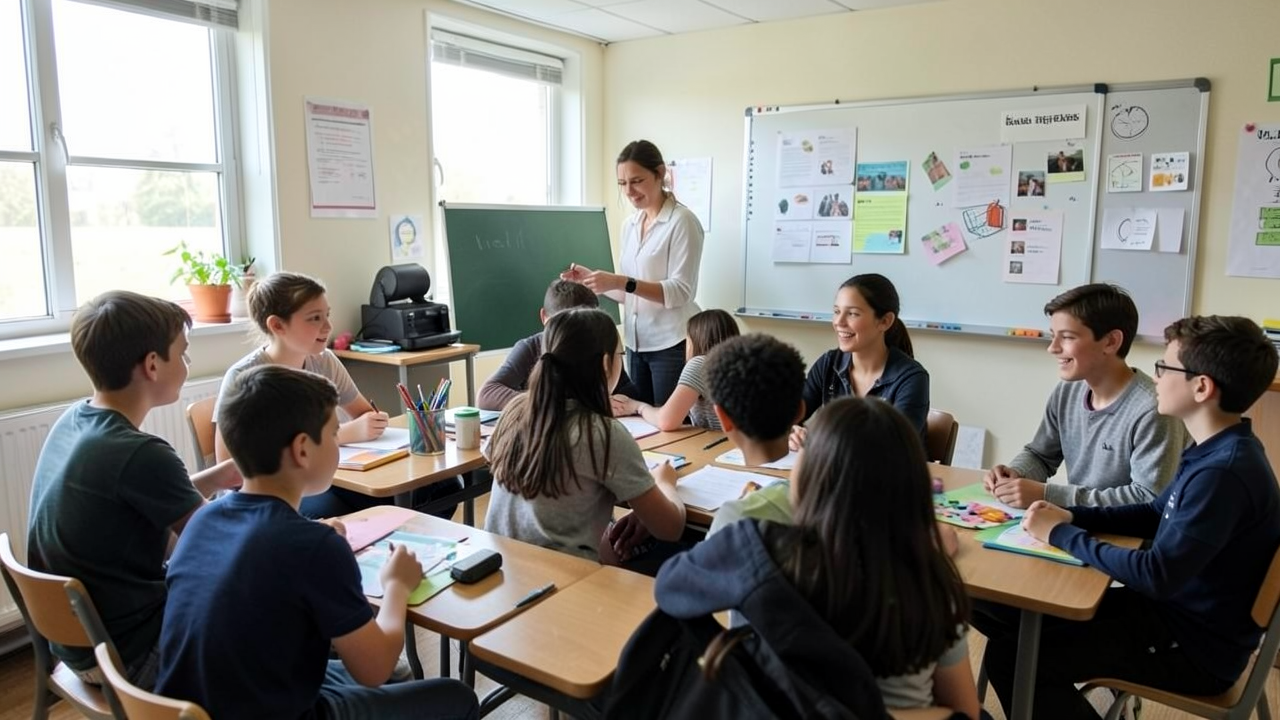
Effective teaching rarely comes from a single approach. In my experience, the most successful classrooms are those where instruction is flexible enough to meet varied learner needs while still keeping standards clear. When you consider teaching methods through the lens of learning styles, the goal is not to label students permanently, but to design lessons that offer multiple ways to access, process, and demonstrate understanding. That is where differentiated instruction becomes a powerful tool for classroom engagement and effective teaching.
Understanding Learning Styles Without Oversimplifying Them
Many educators and parents use the term “learning styles” to describe how students prefer to learn, such as visually, auditorily, or through hands-on activity. I find this framework useful as a starting point, but I also treat it with care. Students often benefit from a mix of methods, and their preferences may change depending on the task, the subject, or even their mood that day.
Why flexibility matters
A student who enjoys reading may still need discussion to deepen comprehension. Another who learns best by doing may also need written support to organize thoughts. The strongest effective teaching strategies do not force every learner into one channel; they create a range of entry points so more students can participate meaningfully.
Teaching Methods That Support Visual Learners
Visual learners often respond well to diagrams, charts, color-coding, maps, graphic organizers, and demonstrations. I use these methods when I want to make abstract ideas concrete.
Helpful approaches
- Concept maps to show relationships between ideas
- Slides with limited text and strong visuals
- Anchor charts for routines, steps, or vocabulary
- Modeling with examples on a board or screen
- Annotated images to highlight key details
These methods support classroom engagement because they reduce cognitive load and help learners see structure. In my view, visual supports are not just for visual learners; they help many students track information more easily.
Teaching Methods That Support Auditory Learners
Some students retain information best when they hear it, discuss it, or explain it aloud. For them, the classroom becomes more effective when it includes spoken interaction rather than relying only on silent reading or worksheets.
Strong auditory strategies
- Teacher read-alouds
- Class discussions and think-pair-share activities
- Oral repetition of key concepts
- Student presentations
- Recorded instructions or audio summaries
I often pair verbal explanation with clear written directions, so students can hear the idea and revisit it later. This combination improves effective teaching because it supports memory and reduces confusion.
Teaching Methods That Support Kinesthetic Learners
Kinesthetic learners usually need movement, touch, and direct involvement. They often understand concepts more deeply when they can manipulate materials or apply ideas in a practical task.
Practical classroom techniques
- Hands-on experiments
- Role-play and simulations
- Learning stations
- Building models
- Movement-based review games
When I plan lessons for these learners, I try to reduce long stretches of passive listening. Even small actions, such as sorting cards or acting out a process, can improve classroom engagement significantly. For many students, movement is not a bonus; it is the path to understanding.
Differentiated Instruction as the Bridge
If I had to choose one approach that connects all learning styles, it would be differentiated instruction. This method allows me to vary content, process, product, or learning environment based on student needs.
What differentiation can look like
- Offering the same reading at different levels of complexity
- Allowing students to respond through writing, speech, visuals, or models
- Grouping students strategically for peer support
- Adjusting pacing for learners who need more time or greater challenge
- Using both independent and collaborative tasks
Differentiation is not about lowering expectations. It is about providing access. That distinction matters. When students can work with material in a way that suits them, they are more likely to stay motivated and succeed.
Blending Methods for Stronger Classroom Engagement
In practice, the most effective teaching combines methods rather than isolating them. I rarely teach in a purely visual, auditory, or kinesthetic way. Instead, I blend strategies so students can encounter the same idea through multiple channels.
An example of a blended lesson
If I teach a science concept, I might begin with a short explanation, add a diagram, invite discussion, and then ask students to complete a hands-on activity. Later, they may write a reflection or create a model. This sequence supports different preferences while reinforcing the same core learning target.
This approach benefits the whole class. It increases classroom engagement, keeps lessons varied, and gives students more than one chance to understand and retain the material.
Choosing the Right Teaching Method for the Task
Not every topic calls for the same strategy. I choose methods based on the objective, the age of the learners, and the type of thinking I want them to practice.
Matching method to purpose
- Use direct instruction when introducing new or complex information
- Use discussion when students need to analyze or interpret ideas
- Use guided practice when learners need structured support
- Use project-based learning when students should apply knowledge creatively
- Use collaborative learning when communication and peer feedback are goals
A strong teacher does not rely on habit alone. I think the best classrooms are built on intentional choices that align instruction with learning goals.
A Balanced View of Learning Styles
The phrase “learning styles” can be helpful, but I avoid turning it into a rigid rule. Students are more than a single preference. Their needs change, and their growth depends on exposure to many ways of learning. That is why teaching methods should be varied, responsive, and practical.
What I focus on instead
- Student access to content
- Opportunities for participation
- Clear learning objectives
- Frequent feedback
- Multiple ways to show understanding
When these elements are in place, learning tends to improve across the board.
Key Takeaways for Smarter Teaching
- Visual supports such as charts and diagrams help clarify complex ideas.
- Auditory methods like discussion and read-alouds strengthen comprehension for verbal learners.
- Kinesthetic activities improve understanding through movement and hands-on work.
- Differentiated instruction gives students more than one way to engage with content.
- The best effective teaching blends methods rather than relying on one style alone.
- Matching the teaching method to the learning task supports deeper classroom engagement.
Building a More Responsive Classroom
What I have found most persuasive is this: effective classrooms are not built around a fixed label for each student, but around a flexible system of support. When I use a mix of teaching methods, I can reach more learners, strengthen participation, and create a classroom where students feel seen. If you want stronger results, begin by varying how you present ideas, how students practice them, and how they demonstrate what they know. That simple shift can make a meaningful difference in both engagement and achievement.